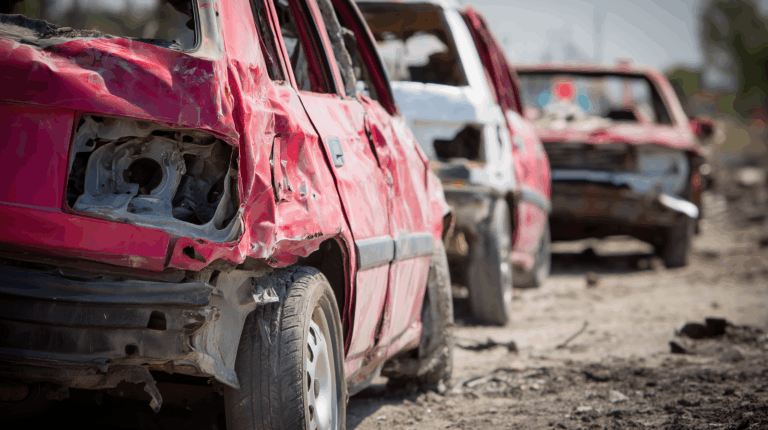
Scrapping an unwanted vehicle in Chesterfield has become an increasingly straightforward and responsible process, driven by environmental regulations, improved recycling practices, and rising demand for reusable vehicle materials. Whether a car has failed its MOT, been written off, become too expensive to repair, or simply reached the end of its useful life, vehicle scrapping offers a practical solution that benefits owners, the local economy, and the environment.
In Chesterfield, a town with strong industrial roots and excellent transport links, vehicle recycling plays a significant role in managing end-of-life vehicles efficiently. Modern scrap services ensure that unwanted cars are processed legally, safely, and sustainably, while vehicle owners are fairly compensated for their scrap value.
Why Vehicles Are Scrapped
There are many reasons why vehicle owners in Chesterfield choose to scrap their cars. Mechanical failure is one of the most common, particularly when repair costs exceed the value of the vehicle. Older cars may also struggle to meet emissions standards or fail repeated MOT tests, making continued ownership impractical.
Accident damage is another frequent factor. Insurance write-offs, even when cosmetically repairable, are often uneconomical to fix. Additionally, some vehicles simply become redundant due to lifestyle changes, such as upgrading to a newer model, switching to electric transport, or no longer needing a second vehicle.
Scrapping allows owners to dispose of these vehicles responsibly rather than leaving them unused, abandoned, or illegally dumped.
The Vehicle Scrapping Process Explained
Scrapping a vehicle in Chesterfield typically follows a clear and regulated process designed to protect both the owner and the environment. The first step is contacting a licensed vehicle scrapping or recycling service. These operators are authorised to handle end-of-life vehicles and ensure compliance with environmental standards.
Once a vehicle is booked in, the scrapyard will usually arrange collection, especially if the car is no longer roadworthy. Vehicles that can still be driven may also be delivered directly to the recycling facility. On arrival, ownership is verified using the vehicle logbook or reference details, ensuring that the process is legally sound.
The vehicle is then depolluted. This crucial stage involves safely draining and removing hazardous substances such as fuel, oil, brake fluid, coolant, and batteries. These materials are treated or disposed of in accordance with environmental regulations to prevent soil and water contamination.
After depollution, reusable parts may be removed. Components such as engines, gearboxes, alternators, alloy wheels, and catalytic converters are often salvaged if they remain in good condition. The remaining vehicle shell is then crushed and processed for metal recycling.
Environmental Benefits of Scrapping Vehicles
Scrapping vehicles responsibly in Chesterfield contributes significantly to environmental sustainability. Modern recycling methods allow up to the vast majority of a vehicle’s materials to be reused or recycled. Steel, aluminium, copper, and other metals are recovered and reintroduced into manufacturing supply chains, reducing the need for energy-intensive mining and raw material extraction.
Proper scrapping also prevents harmful substances from leaking into the environment. Abandoned or improperly disposed vehicles can release oils, fuels, and chemicals that contaminate land and waterways. Licensed scrapyards ensure these risks are eliminated through controlled depollution processes.
Additionally, removing older, inefficient vehicles from circulation can help improve local air quality, especially when they are replaced with newer, cleaner, or electric models.
About the Author